Planning a holiday should feel exciting. Yet for many travellers it quickly becomes confusing. Prices change constantly, flights seem to jump overnight, and it can feel impossible to know whether you’re getting a good deal or overpaying.
Many people believe there is a single “perfect day” to book a holiday, but the reality is more nuanced. Travel prices are influenced by many factors including demand, seasonality, airline algorithms, global events, and even how far in advance you book.
Understanding these patterns can help you secure better flights, cheaper accommodation, and more affordable package holidays. In this guide, we break down exactly when to book your trip, how travel pricing works, and what strategies experienced travellers use to get the best deals.

Airlines and travel companies use sophisticated pricing systems that constantly adjust prices depending on demand. These systems analyse booking patterns, flight occupancy and seasonal travel trends.
For example, if a flight has many empty seats months before departure, the airline may reduce prices to encourage bookings. As the plane begins to fill, prices usually rise.
Hotels operate in a similar way. Resorts adjust their prices based on demand, seasonal popularity and how quickly rooms are being booked.
Other factors that influence holiday prices include:
- School holidays and peak travel seasons
- Major events happening in destinations
- Fuel prices and airline operating costs
- Currency exchange rates
- Weather and seasonal tourism trends
Because these variables change constantly, prices may fluctuate several times a day.
When Is the Best Time to Book a Holiday from the UK? The Complete 2026 Travel Booking Guide
How Far in Advance Should You Book a Holiday?
One of the most common questions travellers ask is how early they should book their holiday. While there is no universal rule, there are reliable guidelines depending on the type of trip.
Short-Haul European Holidays
For European destinations such as Spain, Portugal, Greece and Italy, the best time to book is usually two to five months before travel.
Booking too early can sometimes mean paying higher introductory prices, while booking too late may leave you with fewer flight options and higher costs.
Long-Haul Holidays
Long-haul destinations such as the Caribbean, Thailand, Mexico or the Maldives usually require more planning. These trips are typically best booked four to eight months in advance.
This allows travellers to secure good flight prices and access the best hotel availability.
Summer Family Holidays
Families travelling during school holidays face the highest demand of the year. Because of this, the best deals often appear six to ten months before travel.
Early booking deals frequently include:
- Free child places
- Low deposits
- Discounted package prices
- Free room upgrades
Booking early also ensures better flight times and hotel choices.

The Best Months to Book a Holiday
Although travel deals can appear throughout the year, certain months consistently offer better opportunities.
January Travel Sales
January is widely considered one of the best times to book a holiday. After Christmas, many people begin planning their summer trips.
Travel companies launch major promotional campaigns including:
- Early booking discounts
- Free airport transfers
- Reduced deposits
- Family holiday promotions
These deals can provide significant savings.
Spring Booking Season
Spring is another strong booking period. As the weather improves, travellers begin organising summer trips, and travel companies release new offers to capture demand.
Black Friday Travel Deals
Black Friday has become a major shopping event for travel companies. Airlines, cruise lines and tour operators often release limited-time promotions with discounted flights and packages.
The Cheapest Days to Travel
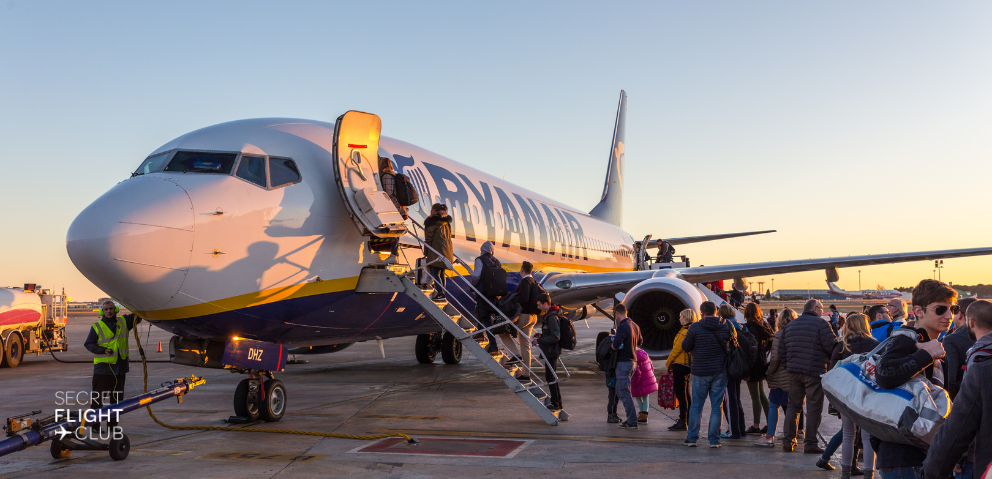
The day you travel can have a surprisingly large impact on holiday prices.
Flights departing on weekends are often more expensive because they are convenient for short breaks and family holidays. Midweek departures often offer lower fares.
Travelling outside peak seasons can also significantly reduce costs.
The best months for affordable travel often include:
- May
- June
- September
- Early October
These shoulder seasons often offer excellent weather with fewer crowds and cheaper accommodation.
Package Holidays vs Booking Separately

Many travellers assume booking flights and hotels separately is the cheapest option. However, package holidays can often provide better value.
Travel companies negotiate bulk deals with airlines and hotels, which allows them to offer competitive package prices.
Package holidays often include:
- Flights
- Hotel accommodation
- Airport transfers
- Checked baggage
- ATOL protection
For many travellers, package holidays offer both financial savings and peace of mind.
Last-minute deals used to be one of the easiest ways to find cheap holidays. While they still exist, they are less common than they once were.
Travel companies now use advanced forecasting systems that allow them to predict demand more accurately.
However, last-minute deals can still appear when:
- Hotels have unsold rooms
- Flights still have empty seats
- Tour operators need to fill remaining spaces
Travellers who are flexible with their destination and travel dates have the best chance of finding last-minute bargains.
Final Thoughts
Finding the best time to book a holiday from the UK isn’t about luck. With the right strategy, travellers can secure excellent deals and avoid paying more than necessary.
Planning ahead, remaining flexible with travel dates and monitoring prices can all help you find the best value for your trip.
Whether you’re dreaming of a beach escape, city break or long-haul adventure, understanding how travel pricing works can help you travel more while spending less.
✈️ Looking for your next holiday deal?
Let Sunset Travel and Events help you find the perfect getaway.
📧 sales@sunsettravelandevents.com
🌍 www.sunsettravelandevents.com